
1、Overview
2、Matcha vs. Green Tea Powder: How Processing Shapes Flavor
3、How to Choose Matcha Powder: 3 Essential Buying Tips
4、Matcha vs. Green Tea Powder Comparison Chart
5、Major Matcha Regions: Why Is Japan So Famous for Matcha?
6、What Can You Pair with Matcha? From Drinks to Baked Goods
7、FAQ
8、Conclusion
Although both are fine green tea powders, matcha and standard green tea powder differ significantly in value and flavor. Authentic matcha is a craft defined by strict shading techniques and ultra-fine milling. From production secrets and flavor profiles to everyday applications, this guide breaks down the key differences between the two—helping food professionals and consumers select and use the perfect tea ingredient.
2、Matcha vs. Green Tea Powder: How Processing Shapes Flavor
While matcha is technically a type of green tea, its crafting process is far more sophisticated. Authentic matcha undergoes shade-growing, steaming, destemming, and slow low-temperature milling to achieve its vibrant green color and smooth, non-bitter taste. In contrast, regular green tea powder is simply heated, dried, and quickly pulverized at high speeds, resulting in distinct differences in both flavor and texture.
3、How to Choose Matcha Powder: 3 Essential Buying Tips
When choosing from the wide variety of matcha powders on the market, keep these key factors in mind:
- Check the origin and cultivation methods—specifically whether shade-grown tea leaves are used, as this directly determines the balance between sweetness and astringency.
- Observe the color and fineness—high-quality matcha powder should be a vibrant, bright green with an ultra-fine texture free of coarse particles.
- Distinguish between ceremonial (drinking) and culinary (baking) grades. Ceremonial grade offers a smoother taste ideal for direct whisking, while culinary grade features a bolder flavor made for high-heat baking—ensuring your desserts achieve the expected color and taste without misapplying the grades.
4、Matcha vs. Green Tea Powder Comparison Chart
5、Major Matcha Regions: Why Is Japan So Famous for Matcha?
Japan has become synonymous with premium matcha due to its rich history and refined tea-making craft. Matcha originated from China’s "Mo Cha" during the Sui and Tang dynasties and evolved through Song Dynasty tea culture before monks introduced it to Japan in the Kamakura period (around the 12th–13th centuries). Japan then perfected the full craft—from shade-growing to stone-grinding—with regions like Kyoto Uji, Shizuoka, and Kagoshima continuous refining the art, making Japanese origin the global benchmark for high-quality matcha.
In recent years, Taiwan has begun producing local matcha made from homegrown tea leaves using traditional steaming methods. Master Select Taiwan Matcha Powder uses premium local tea leaves finely ground at low temperatures. It offers a rich tea aroma and vibrant green color, making it a cost-effective, high-quality
ingredient for boba drinks, baking, and desserts.
6、What Can You Pair with Matcha? From Drinks to Baked Goods
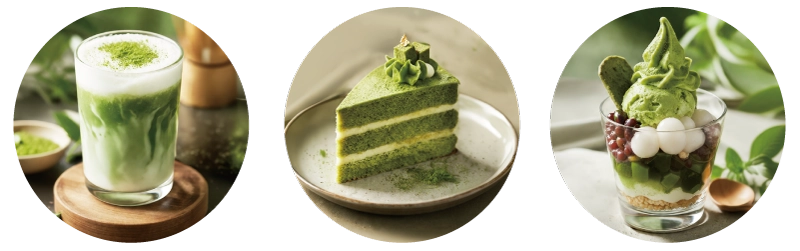
Beverages: A Visual and Flavorful Boost
With its vibrant green color and delicate tea aroma, matcha powder is a popular ingredient for signature drinks. Paired with dairy or milk alternatives, it creates a rich, balanced profile with subtle bitterness and sweet undertones. Popular applications include Matcha Lattes, Strawberry Matcha, and Matcha Espresso.
Bakery & Desserts: Elegant Bittersweet RefinementMatcha's mild bitterness and sweet aftertaste balance the richness of butter and sugar, adding depth and drinkability to desserts. Its natural green hue also enhances product appeal. Popular applications include Matcha Cakes, Matcha White Chocolate Cookies, and Matcha Panna Cotta.
Ice Cream & Sundaes: Refreshing Flavor with Visual ImpactMatcha soft-serve delivers a cool, creamy texture infused with a balanced bittersweet tea profile. Its striking natural color makes it a favorite choice for seasonal promotions and brand collaborations. Popular applications include Matcha Ice Cream, Matcha Soft Serve, and Matcha Sundaes.
7、FAQ
Q1: What is the difference between matcha powder and green tea powder?
A1: Matcha requires shade-growing, steaming, destemming, and slow low-temperature grinding. It is rich in chlorophyll and L-theanine, featuring a vibrant green color and a sweet, savory (umami) flavor profile. Green tea powder is made by pulverizing standard green tea leaves, resulting in a yellowish-green color and a more astringent taste.
Q2: How do you brew matcha powder to avoid bitterness?
A2: Use water temperatures between 70°C and 80°C (158°F–176°F) rather than boiling water at 100°C. Water that is too hot rapidly releases catechins and caffeine, overpowering the natural sweetness of L-theanine, increasing bitterness, and dulling the vibrant green color to a yellowish hue.
Q3: Does matcha contain caffeine? Will drinking it at night affect sleep?
A3: Because you consume the entire ground tea leaf, matcha generally contains more caffeine than standard steeped green tea. Although matcha contains L-theanine—an amino acid that promotes relaxation—caffeine-sensitive individuals should avoid drinking it a few hours before bedtime to ensure quality sleep.
Q4: Are there concerns about pesticides or heavy metals with long-term matcha consumption?
A4: Since matcha involves consuming the whole leaf rather than straining it like brewed tea, ingredient quality control is critical. We recommend purchasing matcha from trusted origins that provide third-party lab testing reports to guarantee food safety.
Q5:How should matcha powder be stored to prevent deterioration?
A5: Matcha powder is sensitive to light, heat, moisture, and air, all of which degrade its flavor and color. Always press out excess air and seal the bag tightly after each use, then store it in a cool, dry place. For long-term storage, keep it sealed in the refrigerator to preserve its freshness and color.
8、Conclusion
Understanding the differences in production and flavor between matcha and green tea powder is an essential step for food service operators developing matcha lines and consumers selecting ingredients. When looking for recommended matcha powders, prioritize factors like origin, fineness of grind, and ideal brewing temperature. Mastercarefully Taiwan Matcha Powder uses premium local tea leaves to offer a practical balance of rich flavor and cost-efficiency. Paired with the right brewing techniques, it brings out the full aroma and texture of fine tea.
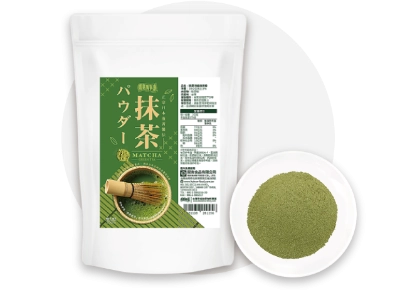
【Recommended Supply of MasterCarefully Matcha Powder】
|MasterCarefully Matcha Powder Series
【Become a Mastercarefully Distributor Partner】
Are you interested in becoming a partner with Mastercarefully?
We welcome inquiries from domestic and international distributors, retailers, and agents.
We are more than happy to provide you with professional solutions and support.
If you have any related needs, please contact our sales specialists using the methods below or fill out the form on our Contact Us page. A dedicated representative will assist you.
Customer Service Hours: Monday to Friday, 09:00~17:00
